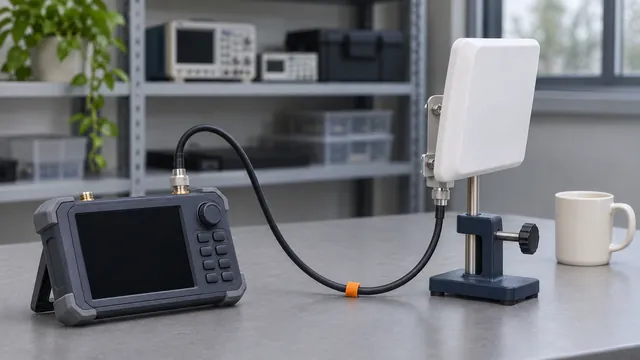
Trust me on this one: that PDF you were about to scroll right past holds every answer your professor will grill you on next week. I'm handing you a quick, mildly absurd map for prying open antenna datasheets, pulling out the three numbers that genuinely matter, and leaving the campus library with your dignity and your Wi-Fi link budget still standing.
The bones of the thing
Formatting quality varies wildly, yet every datasheet carries the same few organs. The header gives you model number and frequency bands up front, so start there and spare your scroll wheel. Below it waits the mechanical drawing, packed with dimensions and mounting holes that students chronically underrate, particularly when the plan involves squeezing a directional panel antenna into a dorm window.
After that comes the electrical specifications table, and this is where decisions get made. Nearby you'll stumble onto radiation pattern charts and polar plots resembling a spirograph fighting a protractor. Odd-looking things, honestly. But they tell you exactly where your signal roams and where it quietly surrenders. Connector and cable notes lurk near the bottom; ignoring them is how installations stall at 1 a.m. At the very end sits the environmental block with IP rating, temperature range, and certifications, which should worry you far more if the project lives outside than if it lounges in a climate-controlled lab.
The specs that seal your fate
Frequency range goes first, and it wants your undivided attention. "Broadband" printed in bold type sounds impressive. It's marketing dressed up in an engineer's coat. What you actually need are the start, stop, and center frequency, matched tightly to the band your 4G, 5G, Wi-Fi channel, GPS receiver, or LoRa node lives on. Close enough? Not a real engineering concept, sorry.
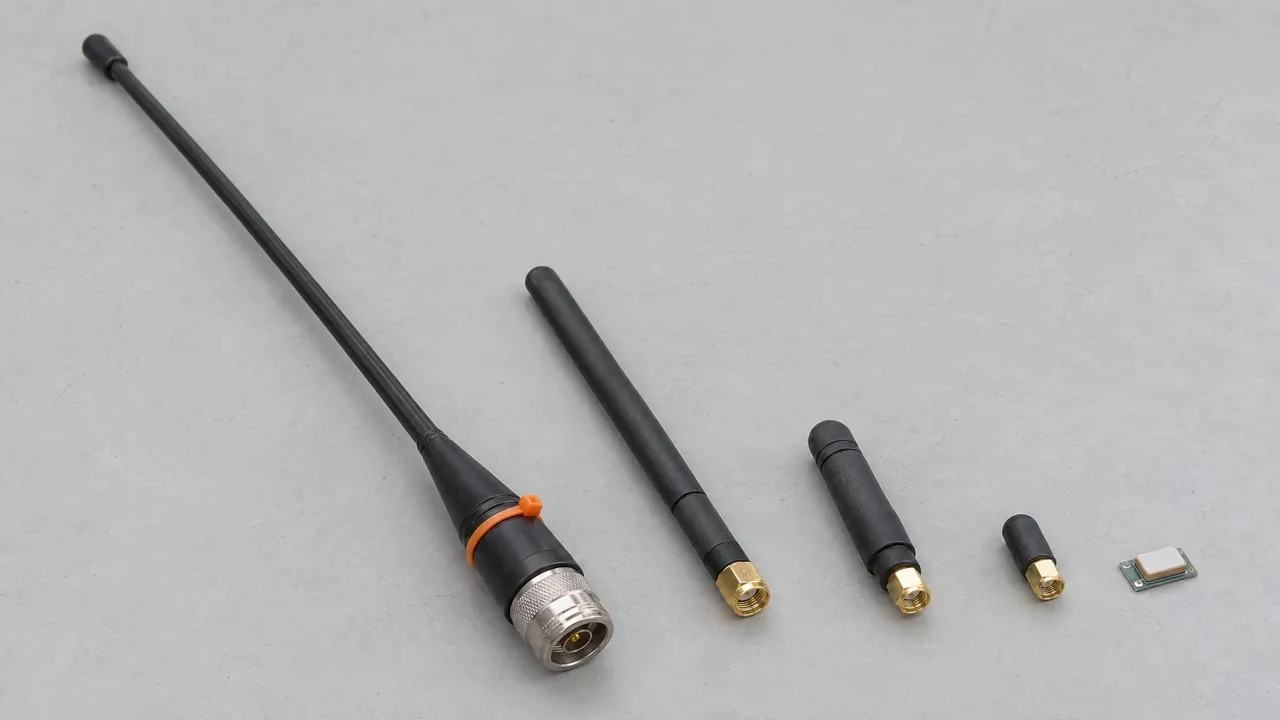
Gain, in dBi, gets mangled constantly. There's no mystical power boost happening. Gain is concentration. A high-gain antenna squeezes signal into a narrower beam, swapping spread for reach, the way a garden hose nozzle trades width for distance. Mobile antennas usually land between 3 and 9 dBi, Wi-Fi panels can push past 20 dBi on long-range links, and specialized antennas scatter all over depending on the job.
Radiation pattern and beamwidth reveal the beam's shape, horizontal and vertical, and this is where you settle directional versus omnidirectional. Point-to-point link across campus? Directional, full stop. Blanketing an entire dorm floor? Omnidirectional, no debate.
VSWR, return loss, and impedance match describe how cleanly your signal exits the antenna instead of bouncing back toward your amplifier with malice. Student projects run fine on a VSWR under 2:1; production gear demands something tighter. Polarization, linear or circular, sneaks up on vehicle mounts and GPS reception more than people ever predict. Efficiency and power handling matter enormously for boosters and base stations, where quoted gain and real efficiency can part ways sharply. Front-to-back ratio and sidelobes earn their keep in crowded RF environments where interference crouches behind every corner. And connector type plus cable loss? A mismatched SMA connector has killed more lab demos than bad code ever did.
My pro tip: read three numbers before buying anything. Frequency, gain, VSWR. Done.
The fine print with teeth
Lab numbers come from anechoic chambers, those pristine echo-free rooms that look nothing like your backyard or lecture hall. Real-world performance sags once you factor in ground plane height, cable loss, and whatever reference antenna the manufacturer picked for comparison. Temperature swings, humidity, and plain aging gnaw at performance too, so read those environmental specs before you bolt anything permanently outdoors. And peek at regulatory restrictions before someone peeks at you: some bands demand carrier approval or local licensing, a lesson best learned the easy way.
From numbers to a real choice
Mobile signal work favors directional or semi-directional antennas for boosters, while panel antennas slot neatly into fixed installs. Wi-Fi projects lean omnidirectional for room coverage and directional gear for point-to-point stretches across a quad. Specialized antennas, GPS and IoT above all, frequently demand tight polarization control or an absurdly low profile for vehicle mounting. Lab demo? Grab quick, forgiving gear. Field test? Ruggedness. Vehicle mount? Compactness above nearly everything else.
My cheat sheet
Frequency gives you the band. Gain gives you distance versus spread. VSWR gives you efficiency. Connector gives you compatibility. Pattern gives you coverage shape. Environmental rating gives you survival odds outdoors. Six facts, five seconds, zero library naps.
Red flags worth your suspicion
Beware "broadband" claims with no actual band edges listed, gain numbers floating free of any frequency, and any datasheet that omits return loss or VSWR data altogether. A page drowning in glossy photos with zero plots usually means a weak antenna hiding behind a healthy marketing budget. Ask the seller for the lab report. A legitimate manufacturer hands it over without blinking.
Six steps, zero naps
Nail down your band and use case first. Shortlist candidates by frequency and gain. Then vet VSWR and radiation pattern. Confirm connector type and mounting style. Dig into the test conditions behind those shiny numbers. And run a sanity check on a borrowed unit before your budget commits to anything.
Thrifty testing tricks
If you are a student, a basic VSWR meter, a smartphone RSSI app, and a second known-good antenna for reference will carry you further than you'd guess. Campus radio labs frequently own proper test equipment, and asking nicely (with snacks) works wonders. One request: skip the rooftop climb up the engineering building for better reception. Campus security notices that sort of thing.